


 Call us:



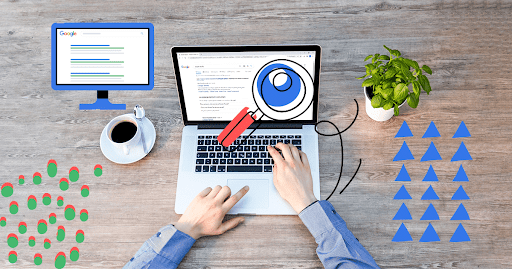
SEO (Search Engine Optimization) is the practice of improving a website's visibility and ranking in search engine results pages (SERPs). The goal of SEO is to attract more organic (non-paid) traffic to a website by making it more relevant and authoritative in the eyes of search engines like Google.
Key Components of SEO:
-
Keyword Research:
- Identifying the terms and phrases people use in search engines related to your content or products.
- Tools like Google Keyword Planner, Ahrefs, or SEMrush can help in finding the right keywords.
-
On-Page SEO:
- Optimizing individual web pages to rank higher and earn more relevant traffic.
- This includes optimizing titles, meta descriptions, headers, and content for target keywords.
- Ensuring proper use of alt tags for images, internal linking, and URL structure.
-
Content Creation:
- Creating high-quality, relevant content that satisfies the search intent of your audience.
- Regularly updating your blog, adding new pages, and refreshing old content can boost SEO performance.
-
Technical SEO:
- Ensuring that your website is crawlable and indexable by search engines.
- Optimizing site speed, mobile-friendliness, XML sitemaps, and fixing broken links are key elements.
- Implementing structured data (Schema markup) to help search engines understand your content better.
-
Link Building:
- Acquiring high-quality backlinks from reputable sites to improve your domain authority.
- This can be achieved through guest blogging, influencer outreach, and creating shareable content.
-
Local SEO:
- Optimizing your online presence to attract more business from relevant local searches.
- Ensuring consistency in Name, Address, and Phone Number (NAP) across all platforms.
- Creating and optimizing a Google My Business profile.
-
Analytics and Reporting:
- Using tools like Google Analytics and Google Search Console to track the performance of your SEO efforts.
- Regularly reviewing metrics like organic traffic, bounce rate, and conversion rates to make data-driven decisions.
-
SEO Tools:
- Google Search Console: Monitor your website’s presence in Google search results.
- Google Analytics: Track and report website traffic.
- Ahrefs: Provides tools for keyword research, backlink analysis, and site audits.
- SEMrush: Comprehensive SEO tool for keyword research, site audits, and competitor analysis.
- Yoast SEO: A popular plugin for on-page SEO optimization in WordPress.
Why SEO is Important:
- Increased Visibility: SEO helps your website appear at the top of search results, increasing its visibility to potential customers.
- Cost-Effective: Unlike paid ads, organic traffic from SEO is free, making it a cost-effective strategy for long-term growth.
- Credibility and Trust: High-ranking websites are often perceived as more credible and trustworthy by users.
- Competitive Advantage: Good SEO practices can give you a competitive edge over other businesses in your industry.
If you're looking to implement or improve SEO for your website, I can help with specific strategies, tools, or content optimization tips tailored to your needs.
Post a comment