


 Call us:



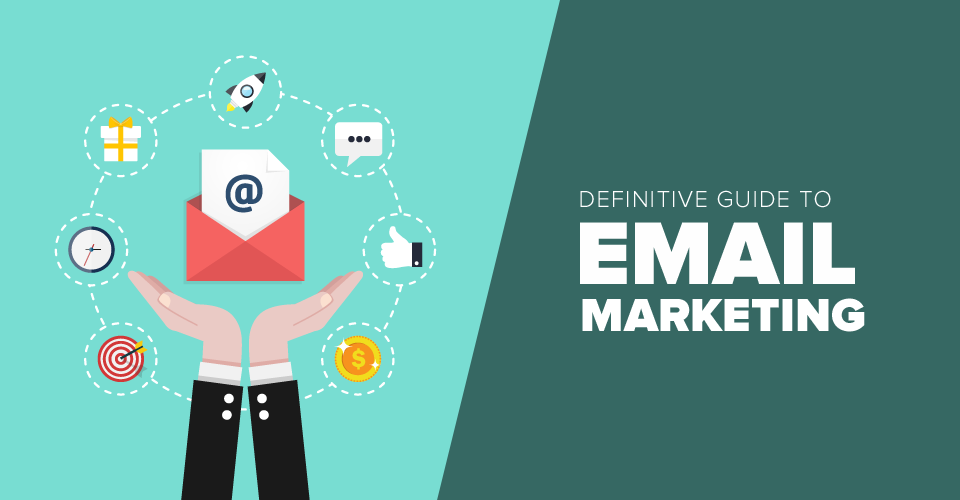
Email marketing is a direct form of communication that involves sending promotional or informative messages to a targeted list of recipients via email. It’s an effective way to engage with your audience, nurture leads, and drive conversions.
Key Components of Email Marketing:
-
Strategy Development:
- Goals: Define your objectives for email marketing (e.g., increasing sales, driving website traffic, nurturing leads).
- Audience Segmentation: Divide your email list into segments based on factors like demographics, behavior, or purchase history to send more targeted and relevant content.
-
List Building:
- Lead Generation: Use strategies like offering incentives (e.g., discounts, free trials), creating valuable content (e.g., eBooks, whitepapers), and running contests to grow your email list.
- Opt-In Forms: Implement sign-up forms on your website, blog, and social media to capture email addresses.
- Compliance: Ensure compliance with regulations like GDPR, CAN-SPAM, and CCPA by obtaining explicit consent and providing an easy opt-out option.
-
Content Creation:
- Types of Emails: Include various types such as newsletters, promotional emails, transactional emails, welcome emails, and re-engagement campaigns.
- Personalization: Use personalized elements like the recipient’s name, location, or purchase history to make your emails more relevant.
- Design: Ensure your emails are visually appealing, mobile-friendly, and aligned with your brand’s style. Include clear calls-to-action (CTAs) and engaging content.
-
Automation:
- Drip Campaigns: Set up automated sequences to nurture leads or onboard new customers. For example, a welcome series for new subscribers or a re-engagement series for inactive users.
- Behavioral Triggers: Automate emails based on user behavior, such as abandoned cart reminders or post-purchase follow-ups.
-
Testing and Optimization:
- A/B Testing: Test different subject lines, email designs, content, and CTAs to see what performs best.
- Performance Metrics: Track metrics such as open rates, click-through rates, conversion rates, and unsubscribe rates to measure effectiveness and make improvements.
-
Analytics and Reporting:
- Tools: Use email marketing platforms (e.g., Mailchimp, Sendinblue, HubSpot) to track and analyze campaign performance.
- Insights: Review data to understand subscriber behavior, campaign success, and areas for improvement.
-
Compliance and Best Practices:
- Legal Compliance: Adhere to email marketing laws and regulations, including providing an opt-out option in every email and honoring unsubscribe requests.
- Best Practices: Avoid spammy tactics, ensure content is valuable, and maintain a consistent sending schedule.
Benefits of Email Marketing:
- Direct Communication: Reach your audience directly in their inbox, where they are likely to engage with your content.
- Cost-Effective: Email marketing is relatively inexpensive compared to other forms of marketing.
- Personalization: Tailor messages to individual preferences and behaviors to increase relevance and engagement.
- Measurable Results: Track performance metrics to understand the impact of your campaigns and refine your strategy.
- High ROI: Email marketing often delivers a high return on investment (ROI) due to its targeted nature and direct impact on sales.
Examples of Successful Email Marketing:
- Amazon: Uses personalized recommendations and timely reminders to drive repeat purchases and increase customer engagement.
- BuzzFeed: Sends curated content and newsletters that align with subscribers’ interests, driving traffic to their site.
- Spotify: Sends personalized playlists and updates based on listening habits, enhancing user experience and engagement.
If you need help with setting up an email marketing campaign, crafting content, or analyzing performance, feel free to ask!
Post a comment